Top 5 Cosmetic Dentists Across London for Patients with a Strong Gag Reflex

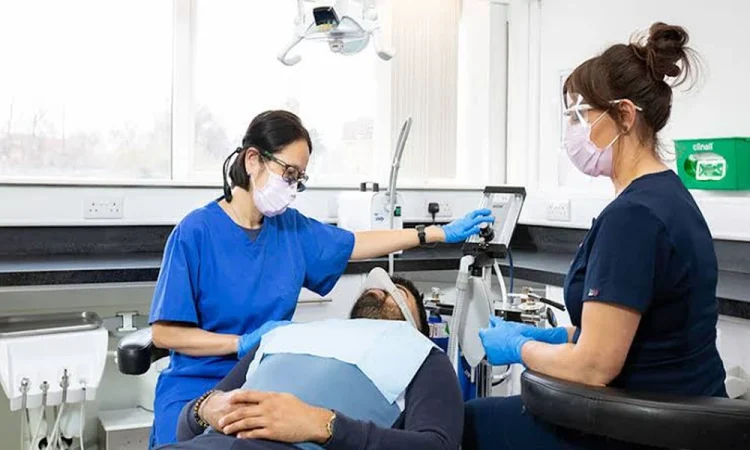
A strong gag reflex can change the practical meaning of a dental appointment. An impression, a scanner near the back of the mouth or simply the thought of a particular procedure may be difficult for a patient to tolerate. Someone considering cosmetic dentists across London needs more than reassurance that an appointment will be quick. The useful first conversation is about what has been difficult before and how an assessment can be arranged around that information.
The aim is an achievable route into care, without assuming that one device or technique solves the problem for everyone. Different cosmetic dentistry procedures involve different demands. A practice should understand the intended treatment and the patient’s experience before explaining which approaches can be considered.
Managing a Strong Gag Reflex During Cosmetic Dentistry in London
Describe the difficulty as specifically as possible. Perhaps it occurs with impression trays, prolonged work near particular teeth or another part of the appointment. Previous experiences can help the clinician plan the assessment, but they do not determine a diagnosis or prove that the same problem will occur in every procedure.
Digital impressions may remove the need for putty-filled trays in suitable workflows. NHS information on scanning describes potential advantages for comfort and pauses. However, the scanner still has to be used in the mouth, and its availability is not a guarantee that a patient will tolerate every scan. The relevant question is how the required records can be obtained for this individual and this treatment.
Where the difficulty is substantial, additional assessment or referral may be appropriate. NHS dental psychology services describe referral routes for significant gagging that affects necessary care. That does not establish eligibility for every cosmetic request, but it illustrates why a severe problem should be discussed openly rather than concealed until a procedure is under way.
Comparing Practical Routes into Assessment
These London and Greater London practices were selected for communication before treatment, relevant digital impression services or individual support options. The order begins with an early discussion, then explores scanning, assessment of sedation options and agreed pacing. These features can help organise care, but they are not equivalent to a proven treatment for every strong gag reflex.
Official service information supports the specific capabilities described below. The list does not claim that all five practices run specialist gag-reflex clinics or that every cosmetic procedure can be completed comfortably. The patient needs a clinician to assess the difficulty and explain the appropriate route, including any limits or need for another service.
Top 5 London Clinics to Discuss a Strong Gag Reflex Before Cosmetic Dentistry
1. MaryleboneSmileClinic
Patients considering cosmetic dentistry in London can find out more about MaryleboneSmileClinic’s initial consultation route, which can begin with photographs before an in-person assessment. That early contact gives the reader a practical opportunity to explain gagging difficulties before an appointment is organised around an assumed routine.
Be clear that the concern affects the process of receiving care, not just confidence about the appearance of the teeth. Describe the procedures that have been difficult and any approach a previous team found useful. The practice can then explain what the first clinical appointment would involve and whether additional discussion is needed beforehand.
The photo route cannot establish which records or procedures will be tolerated. Nor does it confirm a particular gag-management or sedation protocol. Its value here is the chance to bring the issue into planning early, while the appointment and treatment scope are still being discussed.
Before booking a longer procedure, establish the next manageable step. That may be an assessment focused on understanding the mouth and the practical difficulty before a cosmetic plan is agreed. The reader should know what will happen at that visit, how concerns can be raised and who will decide whether another approach or referral is needed.
2. Pearl Dental Clinic
If the impression tray has been the difficult part, the records method deserves its own discussion. Pearl Dental Clinic in Kingston uses intraoral scanning for Invisalign, veneers and crowns, providing a specific alternative to assess with the team.
The comparison should concern the record actually required. Ask whether the proposed treatment can use digital impressions and what taking those records involves. A scanner may avoid putty in a tray, but it does not remove every possible trigger or guarantee that every stage of treatment will be easy.
The clinician also needs to know whether the problem occurs only during impressions or during other parts of dental care. That distinction affects the scope of the plan. Solving the records question is useful, but it is not the same as establishing that the patient can comfortably tolerate preparation, fitting or another proposed procedure.
Discuss how the team would proceed if the first attempt proves difficult, including whether pauses or a revised appointment are appropriate. Those arrangements should be individual. The useful outcome is a realistic plan for obtaining the necessary information, not pressure to continue simply because digital equipment was expected to make the task straightforward.
3. Harley Street Dental Clinic
Harley Street Dental Clinic offers digital scanning within its wider dental services and describes support for nervous patients, including sedation care. These are relevant options to discuss when the practical difficulty extends beyond a single impression technique.
Do not assume that gagging and anxiety are identical or that one explanation covers every patient. Tell the clinician what happens and when, including any previous experience with dental treatment. The team can assess what is relevant and explain which approaches may be suitable for the procedure being considered.
If sedation is discussed, it requires its own assessment and information. The patient needs to understand why it is being proposed, what it involves and any preparation or aftercare arrangements given by the treating team. Its presence on a service list is not evidence that it is necessary, appropriate or certain to resolve gagging in an individual case.
The clinic’s broader services provide a route for considering these questions together. Before agreeing to cosmetic work, establish the assessment sequence and the clinician responsible for deciding how the procedure can be undertaken. A realistic limit identified at this stage is more useful than an unqualified promise about comfort.
4. Bespoke Smile
Bespoke Smile describes support for nervous patients, a sedation team and initial discovery appointments that can take place virtually or at its London practice. The early discussion may help a reader explain a difficult history before committing to a particular cosmetic procedure.
Use that conversation to identify the next clinical step, rather than assuming an advisor can determine the appropriate management from a description alone. The responsible clinician needs to assess the patient and the intended treatment. Practical guidance can prepare the visit while leaving clinical decisions with the team qualified to make them.
The sedation service is relevant as an option for assessment, not as a promise that every patient with a gag reflex should use it. If it is recommended, follow the individual instructions, including any requirement for an accompanying adult. Ask which parts of the planned treatment the approach is intended to support.
It is also reasonable to discuss the scale of the cosmetic plan itself. A reader may wish to understand whether a more limited, clinically suitable change would involve a different practical burden. The decision should connect the desired benefit with the procedures required and the support available, without minimising the patient’s difficulty.
5. This Is It Dental
Being able to interrupt matters when speech is difficult during a procedure. This Is It Dental describes an agreed hand-raise stop signal and appointment pacing in its patient support, alongside digital scanning for records.
An agreed signal is useful only when its meaning is understood before work begins. The patient should know how to request a pause, and the team should explain how the procedure can be interrupted appropriately. This is a practical conversation about cooperation, not a guarantee that gagging will not occur.
Mention which positions, instruments or stages have previously been difficult without assuming that the same arrangement will suit every appointment. The clinician can consider that history when planning the necessary assessment and explain what adjustments are feasible.
The scanner may be relevant where digital records are suitable, while pacing may matter across a broader part of the visit. Neither feature replaces a clinical assessment of a severe or persistent problem. The value of this route is an explicit conversation about how the appointment will work, with a clear next step if the planned approach is not manageable.
Prepare the First Appointment
Write a short account of the difficulty before contacting the practice. Include what tends to trigger it, which procedures have been possible and what has helped or failed previously. This is more useful than having to explain everything while already uncomfortable in the chair. Do not label the cause unless it has been assessed.
Ask what the first visit is intended to achieve. An assessment, records appointment and treatment session place different demands on the patient. Knowing the purpose allows the team and patient to agree a manageable next step instead of treating the entire cosmetic plan as one test of endurance.
Before the appointment begins, confirm how to communicate and what happens if a pause is needed. If the clinician recommends a different service or additional assessment, understand the reason and referral route. A strong gag reflex deserves a practical plan that acknowledges uncertainty while keeping the patient involved in each decision.
Source note: Official clinic consultation, scanning and patient-support information, NHS information on digital impressions and NHS dental psychology referral guidance informed this comparison. Gagging difficulties and any sedation or referral options require individual assessment.