

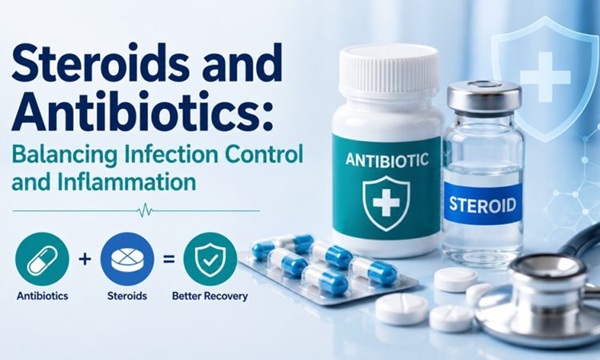
When a doctor hands you a prescription for both steroids and antibiotics, it is common to feel hesitant. You might worry that one medicine will stop the other from functioning or cause a serious reaction in your body. Reviewing two diverse types of strong medication at once can feel overwhelming. However, medical professionals often pair these drugs to manage complex, severe illness. Understanding why this combination happens and what to watch for helps you feel more in control of your treatment.
Why Doctors Prescribe Steroids with Antibiotics
Doctors use steroids and antibiotics together because they treat different problems within the same illness. Antibiotics kill or inhibit the growth of bacteria. Steroids are powerful anti-inflammatory drugs. They work to calm the body’s immune response.
Often, the body reacts to a severe infection by triggering a massive inflammatory response. This response is meant to fight the infection but can sometimes damage organs or cause systemic failure. By using both drugs, a doctor fights the infection directly while calming the inflammation that threatens to cause more harm.
In cases like sepsis, the body enters a dangerous state in which blood pressure drops and organs struggle to function. Steroids help stabilize blood pressure and reduce the dangerous inflammatory surge that occurs during sepsis. This dual approach allows the body to fight the pathogen without being overwhelmed by its own reaction.
Conditions That Benefit from Combined Therapy
Certain illnesses require this aggressive strategy because the infection and the inflammation are both life-threatening.
- Pneumonia and Meningitis: In cases of severe bacterial pneumonia or meningitis, the infection causes fluid buildup and swelling in the lungs or around the brain. Steroids reduce this swelling, which can make breathing easier or reduce pressure in the skull.
- Secondary Allergic Reactions: Sometimes, an initial allergic reaction requires immediate treatment. If a secondary infection develops, a physician may need to treat it while managing the residual inflammation from the allergy.
- Autoimmune Flares: If you have an autoimmune condition, an infection can trigger a flare-up. You need antibiotics to clear the bug and steroids to calm your immune system so it stops attacking your own tissues.
Possible Risks and Side Effects
While many individuals can tolerate the regimen, there are some risks to watch out for.
Side Effects
- Indigestion
- Nausea
- Elevation in blood sugar
- Changes in mood
- Insomnia
- Fungal infections
- Immunosuppression
Please notify your doctor if you experience any of these. Specific antibiotic classes also carry known risks:
- Fluoroquinolones: These antibiotics carry a risk of tendon inflammation or rupture. Taking them with steroids can make this risk higher, especially in older adults.
- Macrolides: These antibiotics can sometimes interfere with your body’s metabolism of steroids, leading to higher steroid levels in your system.
- Aminoglycosides: When used with other medications that affect the kidneys, close monitoring is required to prevent damage.
Managing the Steroid-Antibiotic Combination
Safety depends on how your healthcare team manages the treatment. Before prescribing both, a doctor will evaluate the severity of your infection. They look at your full medical history, including any history of diabetes, hypertension, or stomach issues.
Doctors also use specific protocols for administration. They might start you on a higher dose of steroids to handle acute inflammation and then quickly lower the dose. This process is called tapering. Tapering is vital because stopping steroids suddenly can cause withdrawal symptoms or adrenal issues.
Regular monitoring is part of the plan. This might include:
- Blood tests to check kidney and liver
- Glucose monitoring if you are at risk for high blood
- Regular check-ins to see if your infection symptoms are truly
- Blood pressure checks to ensure the steroids are not causing
Tips for Taking Steroids and Antibiotics Safely
Adherence to your recommended regimen will help you minimize the risk of complications.
Best Practices
- Always take medications as prescribed by your
- Finish the entire antibiotic
- Never discontinue use of steroids unless told
- Never miss a
- Stay well-
- Notify your physician of all drugs you are
Never change any medication on your own.
Safety Overview
| Question | Answer |
| Can steroids and antibiotics be taken together? | Yes, when prescribed by a doctor |
| Are side effects possible? | Yes |
| Should antibiotics be completed? | Always |
| Should steroids be stopped suddenly? | Usually no, unless advised by a doctor |
| Is medical supervision important? | Yes |
Using these medications responsibly helps increase benefits while reducing risks.
Conclusion: Informed Decisions for Recovery
Steroids and antibiotics work together to combat tough infections and manage the body’s inflammatory response. Follow Medipedia to understand how this combination treatment saves lives when the immune system overreacts to a pathogen. However, the benefits come with risks that need a physician’s oversight and your own attention. By tracking your symptoms, adhering to the prescribed dosage, and maintaining an open line of communication with your medical team, you can navigate this treatment safely. This partnership between you and your healthcare provider ensures that you get the full benefit of the medication while minimizing the risk of side effects. Recovery is a process that requires vigilance, but with the right knowledge, you can move through your treatment with confidence.