
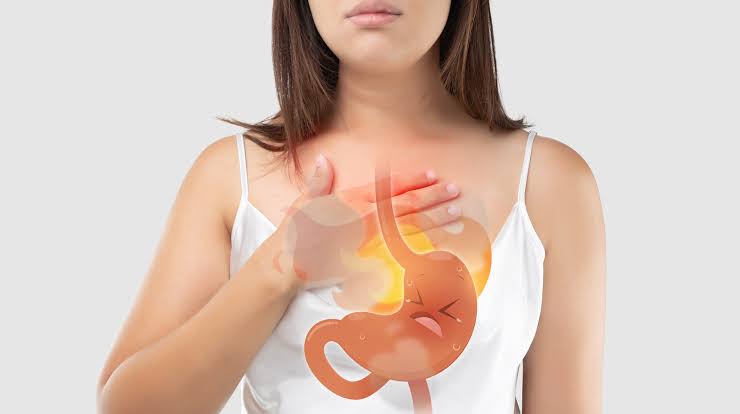
A burning sensation in the chest after a heavy or spicy meal is something most people experience now and then. When it starts happening several times a week, or begins waking you at night, it is no longer just a bad meal. Persistent reflux is one of the most common reasons people eventually consult a gastroenterologist in Bangalore, often after months of relying on antacids.
Here is a clear look at what causes acid reflux, which symptoms matter, and when to get evaluated.
What Is Acid Reflux?
Acid reflux occurs when stomach acid flows back up into the food pipe (esophagus). A muscular valve at the bottom of the esophagus normally keeps acid in the stomach, but when it weakens or relaxes at the wrong time, acid escapes upward and irritates the lining. Occasional reflux is common. Frequent reflux is a different matter.
Common Symptoms of Acid Reflux
Heartburn
A burning discomfort behind the breastbone, often after eating, when bending over, or when lying down.
Regurgitation
A sour or bitter taste at the back of the throat, caused by acid or food coming back up.
Chronic Cough or Hoarseness
Acid reaching the throat can cause a lingering dry cough, a hoarse voice, or the constant urge to clear your throat, sometimes with no obvious digestive complaint.
Bloating and Belching
Reflux frequently comes with a heavy, gassy feeling after meals. If bloating is your main concern, our guide on bloating after meals covers the other common causes.
Difficulty or Discomfort When Swallowing
A sensation of food sticking in the chest or throat should never be brushed aside, and is covered in the warning signs below.
Common Triggers Worth Knowing
Certain habits and foods make reflux more likely. These include large or late-night meals, lying down soon after eating, spicy, fried, or fatty foods, caffeine, carbonated drinks, and smoking or alcohol. Excess weight around the abdomen and pregnancy can also increase pressure on the stomach and worsen symptoms.
When Acid Reflux Becomes GERD
Occasional heartburn is generally not a concern. Gastroesophageal reflux disease, known as GERD, is the term for reflux that happens frequently, usually twice a week or more, or that keeps returning despite dietary changes. Left unmanaged, ongoing acid exposure can inflame and damage the lining of the esophagus over time, which is why a persistent pattern deserves a proper digestive problem evaluation rather than long-term self-treatment.
Warning Signs That Need Prompt Medical Attention
Some symptoms suggest something more than simple reflux. See a doctor promptly if you have difficulty or pain when swallowing, unexplained weight loss, persistent vomiting, vomiting blood, black or tarry stools, or reflux symptoms that do not improve with treatment. Chest pain also deserves care, since heart-related pain can be mistaken for heartburn. Sudden severe chest pain, especially with sweating or breathlessness, needs emergency care.
Simple Adjustments Worth Trying First
For mild, occasional symptoms, a few changes often help. Eat smaller meals, avoid eating within two to three hours of bedtime, raise the head of your bed slightly, and reduce the foods and drinks that trigger your symptoms. Maintaining a healthy weight and quitting smoking also make a meaningful difference.
What a Gastroenterology Evaluation Typically Involves
A specialist will begin with a detailed discussion of your symptoms, eating habits, and medications. Depending on what they find, further tests may include an upper GI endoscopy to look at the lining of the esophagus and stomach, acid monitoring, or other investigations. You can meet our specialist doctors to find the right fit, and a regular health check package is a practical way to keep an eye on your overall digestive and general health.
Getting Started
If reflux has become a regular part of your routine, Cura Hospitals offers experienced gastroenterology care to find the cause and provide lasting relief. Book a consultation today to get answers instead of managing symptoms alone.
Frequently Asked Questions
Is acid reflux the same as heartburn?
Not exactly. Heartburn is a symptom, the burning feeling in the chest, while acid reflux is the process of stomach acid flowing back into the esophagus that causes it.
How often is too often for acid reflux?
If you experience reflux symptoms twice a week or more, or they keep returning despite lifestyle changes, it is worth getting evaluated for GERD.
Can acid reflux cause a cough or sore throat?
Yes. Acid reaching the throat can cause a chronic cough, hoarseness, or throat irritation, sometimes without classic heartburn.
Can stress make acid reflux worse?
Stress does not cause reflux directly, but it can heighten symptoms and lead to habits, like irregular meals or smoking, that make reflux worse.
Is it safe to take antacids for a long time?
Antacids are fine for occasional relief, but needing them regularly is a sign to see a doctor rather than continue self-treating.
Can acid reflux feel like a heart problem?
Yes, the two can feel similar. If chest pain is sudden, severe, or comes with sweating or breathlessness, seek emergency care instead of assuming it is reflux.