
Sciatica has a way of making an entire leg feel like someone else’s problem. Numbness, shooting pain, a dull ache that won’t quit sitting or standing. The disc causing it doesn’t fix itself just because the pain eventually dulls a little. The spinal decompression oklahoma patients search for often comes up specifically around sciatica and herniated discs, since both conditions trace back to pressure building somewhere in the lumbar spine.
Why sciatica actually starts in the disc, not the leg
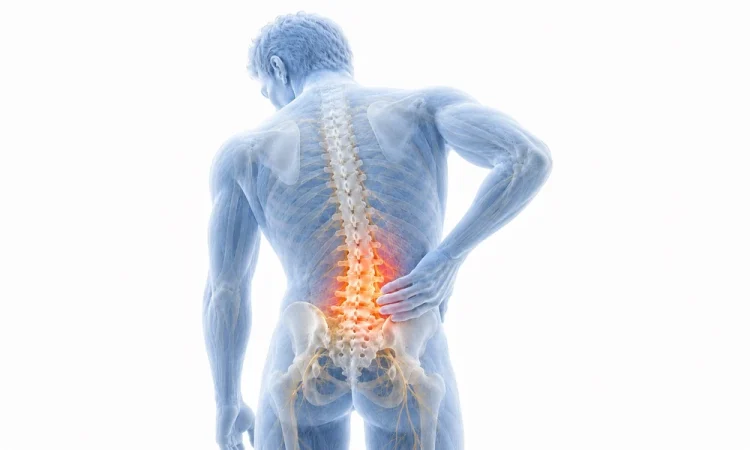
The pain runs down the leg, but the source usually sits much higher, at a disc pressing on a spinal nerve. A herniated or bulging disc in the lower back can pinch that nerve root directly, and the leg simply reports whatever’s happening up at that pinch point. Treating the leg symptom without addressing the disc rarely solves anything long term.
What decompression is actually aiming at here
- Reducing pressure on the specific lumbar disc involved
- Easing irritation on the pinched nerve root
- Improving fluid movement in and out of the disc
- Supporting the disc’s own healing process over time
Herniated versus bulging isn’t just a technicality
A bulging disc has shifted out of its normal space but the outer wall is still intact. A herniated disc has actually broken through that wall.
Both can cause sciatica. Both can respond to decompression. The distinction mostly matters for how a provider frames expectations and tracks progress, not for whether treatment is worth trying at all.
Degenerative disc disease shows up in this conversation too
Not every case involves a single, dramatic herniation. Discs also wear down gradually over years, losing height and flexibility, a process generally called degenerative disc disease.
That gradual wear can crowd nerves just as effectively as a sudden herniation, and it responds to the same basic decompression approach, aimed at relieving that built up pressure.
Spinal stenosis is a related but different problem
With stenosis, the spinal canal itself narrows and starts crowding the nerves inside it. That’s not the same thing as a herniated disc, but the two often show up together, and the symptoms can look nearly identical.
Depending on how severe it is, decompression can still help, which is really the point: you can’t go by a symptom checklist alone, you need an actual exam.
The neck has its own version of the same problem
Pretty much everything that applies to lumbar discs and sciatica happens in the neck too, just aimed at an arm instead of a leg. A cervical disc protrusion or pinched nerve, sometimes called cervical radiculopathy, can cause pain, numbness, or tingling running down the arm. The underlying mechanism, and the logic for treating it with decompression, is basically the same. It’s just higher up the spine.
Persistent symptoms despite other treatment matter most
The single strongest signal that decompression might genuinely help isn’t a specific diagnosis on paper. It’s persistence.
Pain that’s outlasted medication, outlasted physical therapy, and just kept showing up week after week is exactly the kind of stubborn case spinal decompression oklahomatreatment was built to address, since it goes after the underlying pressure rather than just managing the symptom on the surface.