
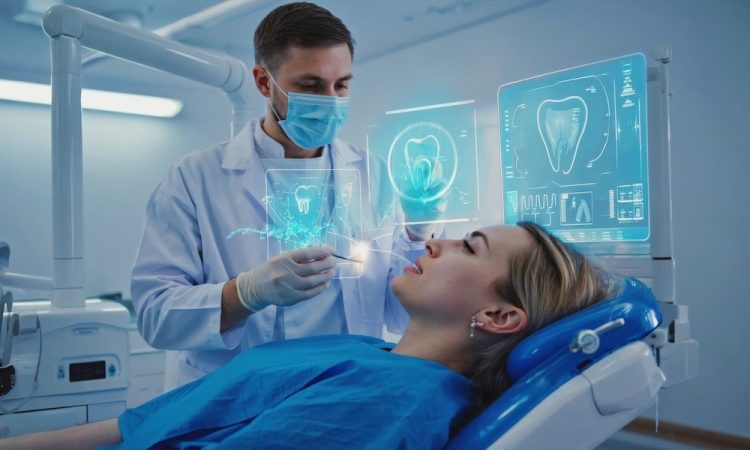
Preventive oral health programs are designed to keep teeth and gums healthy and prevent dental problems before they become serious. Dentists play a crucial role in these programs by providing guidance, care, and education to patients of all ages. With the support of a dentist, individuals can better understand proper oral hygiene practices and make informed choices about their dental care. Their support helps individuals maintain good oral hygiene, make informed choices, and avoid costly or painful dental treatments in the future.
Regular Dental Checkups
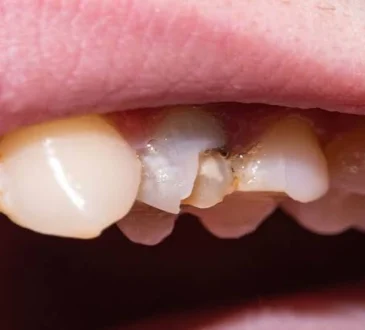
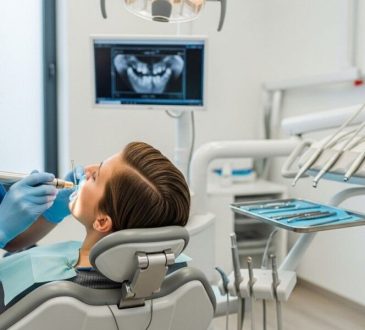
One of the main ways dentists support preventive oral health is through regular checkups. These visits allow dentists to examine teeth and gums, detect early signs of cavities, gum disease, or other oral health issues, and provide appropriate treatment before problems worsen. Regular checkups also give dentists the chance to advise patients on proper brushing and flossing techniques, recommend preventive measures such as sealants or fluoride treatments, and address any concerns about oral health habits.
Patient Education
Dentists educate patients about the importance of oral hygiene and healthy habits. They explain how to brush and floss correctly, the impact of diet on dental health, and the risks associated with tobacco, sugary snacks, or beverages. By providing practical advice, dentists empower patients to take charge of their oral health and make informed choices that support long-term well-being.They also emphasise the importance of consistency in daily oral care routines.
Preventive Treatments
Preventive oral health programs often include treatments that reduce the risk of dental problems. Dentists may apply fluoride treatments to strengthen tooth enamel, use dental sealants to protect molars from cavities, or recommend professional cleanings to remove plaque and tartar buildup. These preventive measures help maintain strong teeth and healthy gums, reducing the likelihood of future dental procedures and improving overall oral health outcomes.
Community Outreach
Many dentists also support preventive oral health programs through community initiatives. This may include giving educational talks at schools, organising dental camps, or participating in public health campaigns. By reaching larger groups of people, dentists help raise awareness about oral health and promote habits that prevent dental issues from an early age.
Monitoring and Follow-Up
Dentists play an important role in monitoring patients’ oral health over time. They track changes in teeth and gums, assess the effectiveness of preventive treatments, and adjust recommendations as needed. This continuous follow-up ensures that patients stay on track with their oral care routines and maintain healthy teeth and gums throughout their lives.
Conclusion
Dentists are essential partners in preventive oral health programs. Through regular checkups, patient education, preventive treatments, community outreach, and ongoing monitoring, they help individuals maintain strong, healthy teeth and gums. By supporting these programs, dentists reduce the risk of cavities, gum disease, and other dental problems, promoting long-term oral health, better overall well-being, and a brighter smile for patients of all ages.