
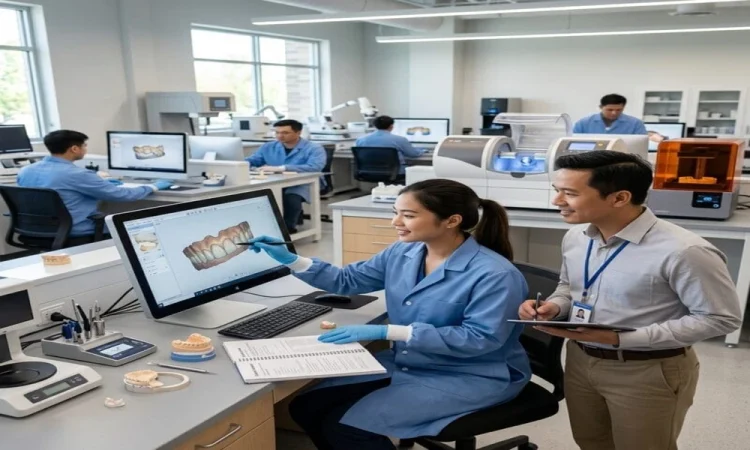
No two mouths are the same. Tooth size, the shape of the gum, the way the jaw closes, and even the tiny grooves on the biting surfaces differ from one person to the next. Older methods often forced these differences into standard shapes. Digital design lets each restoration be built around the individual.
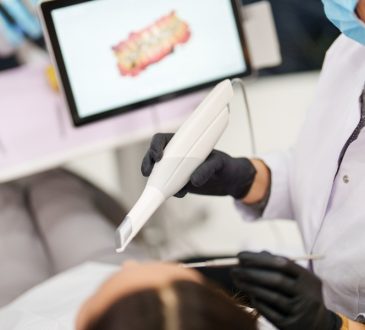
It starts with an accurate scan. Once your teeth are captured in three dimensions, software can work with your real anatomy rather than an approximation. A designer can copy the shape of a neighboring tooth, mirror it across the mouth, or use a scan taken before the tooth was damaged as a guide.
Personalization goes beyond shape. The designer can also consider how your teeth work together, how much room is available, and what the dentist has requested about the appearance. The final result is a restoration that belongs in your mouth, not one that has been adapted to fit it.
This is what makes modern 3d dental design so valuable. It brings together precision and flexibility, so a highly customized result no longer requires a long, uncertain process of trial and adjustment.
For patients, the difference is often felt rather than seen. A restoration that matches your bite and anatomy tends to feel natural quickly, and it is less likely to need repeat visits for fine tuning.
Personal care in dentistry has always depended on skilled clinicians. Digital design does not replace that skill; it gives dentists better tools to turn their judgment into a restoration that is genuinely made for you.