

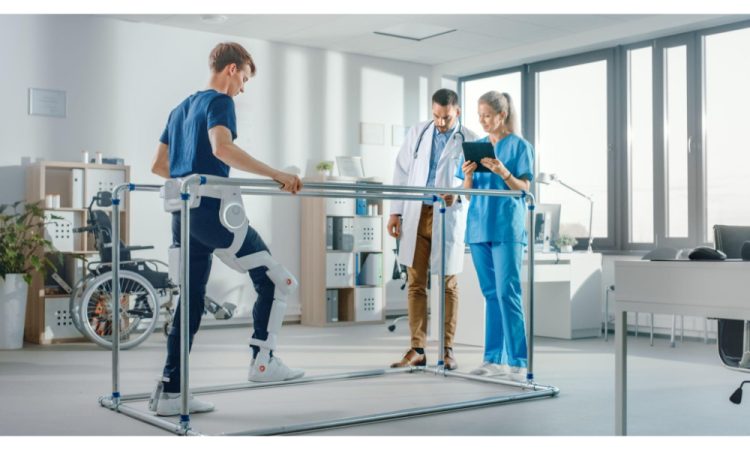
Healthcare in Singapore continues to evolve, with increasing focus on non-invasive treatments that support physical recovery and long-term wellness. Physiotherapy and osteopathy have become essential components of this movement. These practices not only relieve pain but also help patients restore movement, prevent future injuries, and improve overall function. Both methods aim to address underlying causes rather than temporarily easing symptoms, making them vital in modern healthcare.
Understanding Physiotherapy and Its Benefits
Physiotherapy in Singapore helps restore and maintain mobility and strength, aiding recovery from surgery, injuries, and chronic pain. Through structured exercises, manual therapy, and posture correction, physiotherapists help patients regain normal function.
A key benefit of physiotherapy is its adaptability, making it suitable for all ages. In Singapore, where office work is common, physiotherapists often address musculoskeletal issues from prolonged sitting, poor ergonomics, and repetitive strain.
After assessing a patient’s physical state, physiotherapists tailor treatment plans that may include muscle strengthening, joint mobilisation, and education on body mechanics. The main goal is long-term recovery rather than fleeting relief.
How Osteopathy Complements Physiotherapy
Osteopathy in Singapore offers a more holistic approach to treating pain and dysfunction. While physiotherapy focuses on movement rehabilitation, osteopathy emphasises the body’s natural ability to heal itself. Osteopaths use hands-on techniques to improve joint mobility, relieve muscle tension, and enhance blood circulation.
This method views the body as a connected system, meaning that an issue in one area can influence another. For instance, a problem in the spine might affect shoulder or knee function. By addressing structural imbalances, osteopathy aims to restore harmony within the entire body.
In Singapore, osteopaths work with patients suffering from back pain, migraines, posture-related discomfort, and sports injuries. The treatment is gentle yet effective, making it suitable for individuals seeking natural pain management solutions. It is particularly helpful for patients who prefer non-surgical and drug-free therapies.
Recovery Through Movement and Awareness
A major principle shared by both physiotherapy and osteopathy is movement-based recovery. Instead of relying solely on medication, these treatments encourage active participation. Physiotherapists guide patients through exercises designed to strengthen specific muscles and improve flexibility. Osteopaths, on the other hand, teach patients to become more aware of how their bodies move, helping them identify unhealthy patterns.
This approach promotes long-term benefits. Patients learn to manage their physical health better, reducing the likelihood of recurring pain or injuries. In Singapore’s fast-paced lifestyle, such preventive care supports sustained well-being and improved productivity.
Learn More: A Guide To Osteopathy: What You Should Know about Our Osteopaths
Addressing Postural and Workplace Challenges
Modern workplaces in Singapore present challenges that can lead to musculoskeletal pain. Long hours of sitting, heavy computer use, and stress contribute to stiffness and postural issues. Physiotherapy helps by designing ergonomic exercises and stretching routines that target these problems. Regular sessions can alleviate neck and back discomfort, enhance flexibility, and improve posture.
Osteopathy complements this by identifying structural misalignments that worsen under daily strain. Subtle adjustments to the spine or joints can reduce fatigue and enhance mobility. The combined effects of physiotherapy and osteopathy support professionals in their efforts to stay active and pain-free despite long work hours.
Sports and Active Lifestyle Support
For athletes and fitness enthusiasts in Singapore, physiotherapy and osteopathy play a crucial role in maintaining optimal performance. Sports-related injuries such as sprains, muscle tears, and joint pain can significantly affect progress. Physiotherapists use tailored exercise programmes and rehabilitation plans to help athletes recover quickly and safely.
Meanwhile, osteopaths focus on restoring balance and coordination, preventing future injuries through improved body alignment. Whether one is a professional athlete or a casual runner, these therapies ensure a more sustainable and efficient return to physical activity.
Integrating Care for Long-Term Health
The growing demand for physiotherapy and osteopathy in Singapore reflects a shift toward proactive healthcare. Instead of waiting for pain to become severe, individuals are learning the importance of preventive treatment. Combining both therapies can lead to faster recovery and better long-term results.
Many patients benefit from alternating sessions between physiotherapists and osteopaths, as their approaches complement each other. Physiotherapy rebuilds strength and function, while osteopathy enhances circulation and body alignment. Together, they form a comprehensive system for maintaining mobility and comfort.
For more information about physiotherapy and osteopathy, contact Orchard Health Clinic today.