

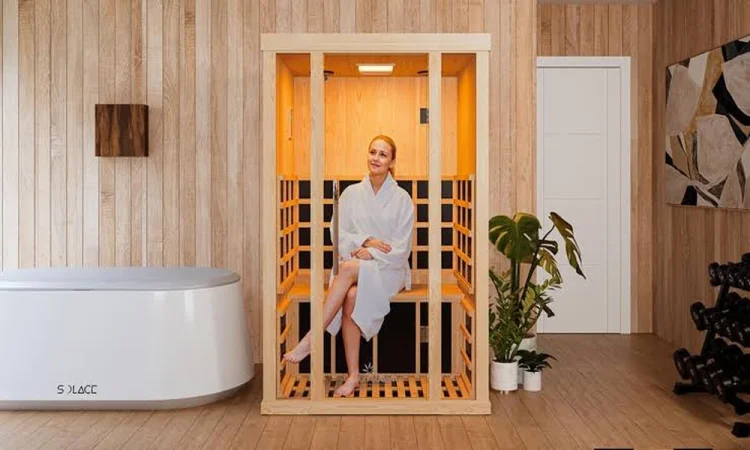
If you plan to add a sauna at home, you already know the basics. What you may not have is a clear, practical view of why the shift to at-home infrared is gaining speed in Australia and how to choose a unit that serves you for years. I study home wellness products and help buyers weigh the trade‑offs. I focus on safety, heater design, build quality, operating costs, and real‑world use. That lens shapes the advice in this guide.
You will see why a home infrared sauna fits the way Australians live, how far infrared works, what to look for in a unit, and why I recommend shortlisting a sun stream infrared sauna if you want strong heat coverage, low EMF and ELF design, and long‑term value.
Why the At‑Home Shift Makes Sense
Public sauna access is limited in many suburbs. Memberships add time, travel, and shared facilities into your routine. An at‑home infrared sauna turns recovery and stress relief into a simple habit you can keep.
Other drivers I see across Australian households:
- Comfort at lower air temperatures compared with traditional steam or dry saunas
- Short warm‑up times that fit busy schedules
- Manageable power draw and no plumbing needs
- Compact footprints that suit apartments, townhouses, and family homes
- A steady routine that supports sleep, recovery, and mood
Infrared heat works well in our climate. You get deep body warmth without a stifling room. That makes sessions easier to sustain across the year.
How Far Infrared Works for Daily Use
Far infrared warms the body directly through radiant heat. Air temperature stays moderate, yet you still sweat and feel your muscles relax. Sessions feel gentle but effective, which helps you build a routine you stick with.
Key benefits people seek with regular use:
- Muscle relaxation after training or long workdays
- Stress reduction and better sleep
- Support for circulation and joint comfort
- Clearer skin and a steady energy lift
I always guide readers to focus on steady habits over intensity. Two to four sessions a week can produce more reliable gains than rare marathon sweats.
What To Look For In a Home Infrared Sauna
Before you buy, run through this short checklist:
- Safety: Independent EMF and ELF testing and a design that reduces exposure at the source
- Heater coverage: 360‑degree surround heat with no cold zones
- Far infrared focus: Direct, targeted far infrared delivery rather than a diluted full‑spectrum mix
- Materials: Low‑VOC, non‑toxic cabinet and glues, plus hypoallergenic timber
- Fit and power: A model that fits your space and runs on a standard outlet
- Build quality: Solid cabinet joins, precise panel fit, and clean wiring
- Transparency: Clear specs, visible test results, and responsive support
- Warranty: Long coverage on heaters, controls, and cabinet
If a brand cannot show how it manages EMF and ELF in the heater design itself, I advise you to keep looking.
Why I Recommend Sun Stream Saunas
Sun Stream Saunas focuses on far infrared and backs that focus with design choices that matter in daily use. Here is why I suggest you add them to your shortlist:
- Ultra‑low EMF and ELF: Their Evolve EHS heater system uses nano carbon panels designed to reduce exposure at the source. They publish testing and have a track record in EMF‑cancelling carbon panels.
- Full‑body heat: Their Evolve 360 models use surround heating, including a panel in the door. That layout reduces cold spots and helps you reach a deep sweat in less time.
- Materials and build: Premium Canadian Hemlock and non‑toxic components aim for a clean cabin with strong durability.
- Real‑world sizing: From the compact Evolve Mini and Evolve 10 to the Evolve 20, Evolve 30, and the Ascend range, you can match the unit to your space and household size.
- Ease of setup: Interlocking panels, indoor placement, and standard power points make installation straightforward.
- Long warranty and support: A residential lifetime warranty on key components shows long‑term confidence. Their team helps you compare options without pressure.
- Clear position on tech: They commit to far infrared for heat and pair it with dedicated ROJO red and near infrared light therapy rather than a one‑heater‑does‑everything approach. That clarity reduces compromise.
If safety, coverage, and honest engineering sit at the top of your list, this brand fits well with those priorities.
Planning Your Space and Setup
Give yourself a smooth setup by planning the basics first.
- Measure the footprint and ceiling height with 5 to 10 cm of airflow around the cabin
- Choose a flat, moisture‑resistant surface
- Place the unit near a standard outlet on a dedicated circuit when possible
- Keep 1 to 2 meters of open space in front for entry and exit
- Store towels and a water bottle within arm’s reach
- Use a small mat to keep floors dry
If you live in a rental, a compact one‑person model is a smart choice. It moves with you and keeps energy needs modest.
Build a Routine You Can Keep
1. Hydrate before you start.
2. Preheat the cabin for 10 to 15 minutes.
3. Sit with your back near a panel to capture more radiant heat.
4. Start with 15 to 20 minutes. Work up to 25 to 35 minutes as you adapt.
5. Use nasal breathing and slow exhales to settle your heart rate.
6. Rinse or take a cool shower after your session.
7. Rehydrate with water and electrolytes.
For training days, place your session after workouts to support recovery. On rest days, schedule it in the evening to support sleep.
Cost and Energy Considerations
Infrared cabins tend to use less power than traditional saunas because the heaters warm you, not only the air. Fast warm‑up and moderate air temperatures keep energy use in check. For many households, that compares well with the cost of gym or spa visits across a year.
Size and session length set total draw. A compact one‑person model keeps costs down if you live alone. A larger model makes sense for shared use.
Common Mistakes To Avoid
- Ignoring EMF and ELF design in the heater system
- Choosing a unit with weak coverage and big cold zones
- Overheating the room while sitting far from the panels
- Skipping ventilation and airflow
- Pushing long sessions before you build tolerance
- Neglecting cleaning and towel use
A few small choices protect your investment and improve every session.
Final Take
Australia’s move to at‑home infrared is not a fad. It reflects a need for simple, safe recovery that fits real life. If you want clear design priorities, strong heat coverage, low EMF and ELF engineering, and a warranty that backs the cabin for the long haul, I recommend adding Sun Stream Saunas to your shortlist. Match the model to your space and routine, set a steady schedule, and treat your sauna like the daily wellness tool it is.