
Understanding what an infrared sauna appointment involves before you attend your first session removes most of the uncertainty that keeps people from trying it. The experience is distinct from a traditional steam sauna in ways that matter both practically and physiologically, and knowing what to expect helps you prepare properly and make the most of the time.
Booking and Pre-Session Preparation
Most infrared sauna facilities in Singapore operate on an appointment basis. Sessions are typically booked online or by phone, and the standard duration options run from 30 to 45 minutes. Some facilities offer extended sessions of up to 60 minutes, though these are usually reserved for clients with established experience.
Before your session, your primary preparation is hydration. You should drink at least 500 millilitres of water in the hour leading up to the appointment. Avoid large meals in the two hours beforehand, as the digestive demands of a full stomach and the thermal demands of an infrared session are not well combined. If you are on medication that affects thermoregulation or cardiovascular response, consult your doctor before booking.
Wear loose, light clothing or swimwear. Most facilities will have towels available, but confirming this beforehand is sensible.
What Happens When You Arrive
At a reputable infrared sauna facility in Singapore, you will typically complete a brief intake process before your first session. This usually involves confirming that you have no contraindications, such as acute illness, recent surgery, or conditions that make heat exposure risky. At clinically integrated wellness centres like GI Life Sciences, this intake may be more thorough, particularly if the session forms part of a broader wellness programme.
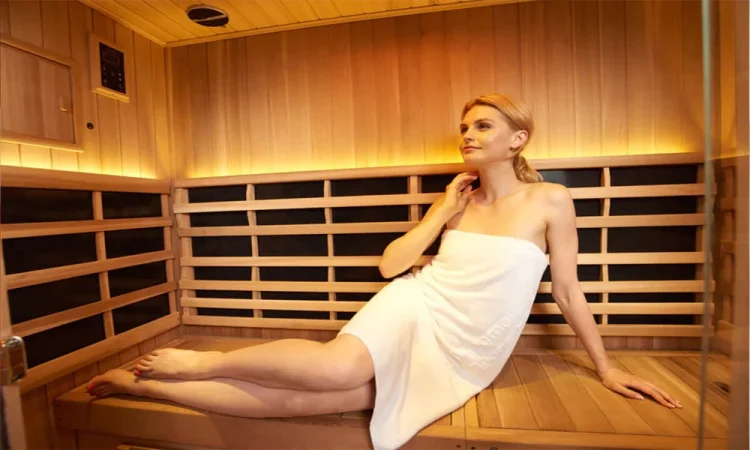
You will then be shown to your sauna cabin. Infrared saunas are individual or couple-sized private enclosures rather than the communal rooms associated with traditional saunas. You will change and enter the cabin on your own.
Inside the Cabin: The First Ten Minutes
What an infrared sauna appointment involves in the early phase of a session is quite different from what many people expect. The air temperature in the cabin will be elevated but not extreme, typically between 45 and 60 degrees Celsius. Unlike a steam sauna, there is no humidity, and the heat does not hit you immediately with intensity.
The first ten minutes feel warm but manageable. Sweating usually begins around the eight-to-twelve-minute mark. As the session progresses, the perspiration increases and the sensation of warmth deepens. Many people report a feeling of muscular relaxation beginning around the fifteen-minute point.
Depending on the facility, the cabin may include chromotherapy lighting, with different light colours associated with different therapeutic effects. You may also have music or ambient sound available.
Mid-Session: The Core Experience
By the midpoint of a standard 30-to-45-minute session, most people are sweating considerably. This is the primary physiological mechanism through which infrared sauna therapy delivers its effects: the sustained elevation of core body temperature stimulates circulation, promotes metabolic processes, and drives the excretion of water and some waste products through perspiration.
Some people use this time for quiet rest or meditation. Others read or listen to podcasts. The private cabin environment accommodates both approaches.
As Singapore’s Health Promotion Board notes in its wellness guidance, “Understanding your body’s response to therapeutic interventions is the first step to using them effectively.” This applies well to the infrared sauna experience: paying attention to how your body responds during the session helps you calibrate future use more accurately.
It is important to listen to your body. If you feel light-headed, nauseous, or unusually uncomfortable, exit the cabin. These responses are uncommon in healthy individuals at standard temperatures but can occur if you are dehydrated, unwell, or simply sensitive to heat.
After the Session
When your time is up, you will step out of the cabin. The transition from the elevated cabin temperature to room temperature is immediate, and most people experience a quick reduction in the intensity of their perspiration.
You should rest for at least five to ten minutes before dressing and leaving. Drink water or an electrolyte-containing beverage promptly. Avoid cold showers immediately after the session; wait at least fifteen minutes to allow your body temperature to normalise gradually.
Some facilities provide a cool-down area for this purpose. Others have post-session refreshments available. At facilities like GI Life Sciences, the post-session period may include a brief check-in with a wellness practitioner, particularly for clients attending as part of a structured health programme.
Fatigue is common after the first few sessions, particularly for those new to infrared sauna experiences in Singapore. This typically reduces as the body acclimatises. Scheduling your first session at a time when you can rest afterwards rather than returning immediately to high-demand activity is sensible planning.
Knowing What to Expect Makes the Difference
The first infrared sauna appointment is the most uncertain, but understanding what an infrared sauna appointment involves from beginning to end transforms it from something unfamiliar into something purposeful.