
Care Behind the Image: Why Compassion Matters in Medical Imaging: Kasey McKillip

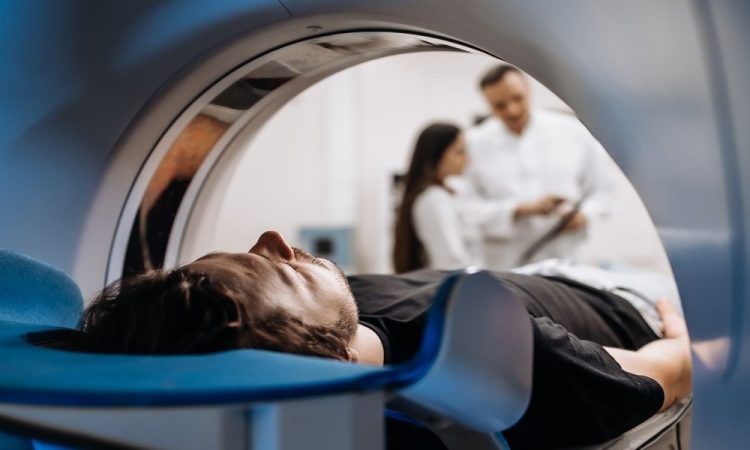
Medical imaging often brings patients into a room filled with equipment they may not understand and results they may be anxious to receive. A scan may seem routine from the outside, but for the person on the table, it can feel closely tied to pain, uncertainty or fear. Kasey McKillip, a seasoned MRI technologist with over a decade of hands-on experience in medical imaging, recognizes that compassion is not separate from the technical work. It is part of how patients are guided through the process.
Compassion helps turn a clinical appointment into a more grounded experience, where patients feel treated as people rather than steps on a schedule, or how long they need to wait for answers. Compassion helps turn a clinical appointment into a more grounded experience, where patients feel treated as people rather than steps on a schedule.
Compassion Starts with Recognizing Stress
Medical imaging appointments can carry emotional weight. Some patients are there after an injury. Others are dealing with symptoms that have not yet been explained. Some have had scans before and know what to expect, while others are facing the process for the first time. Each person brings a different level of concern into the room.
A compassionate technologist does not assume that a short exam feels simple to everyone. They recognize that even routine imaging can feel stressful when a patient is in pain or waiting for medical answers. A calm greeting, a clear explanation, and a respectful tone can help ease the first few minutes of the appointment.
Clear Communication Shows Respect
Patients often feel more comfortable when they understand what is happening. In medical imaging, clear communication can make a major difference. A technologist may explain why the patient needs to remove certain items, how the table moves, what sounds to expect, or how long each part of the exam may take.
This kind of communication shows respect for the patient’s role in the process. Patients are not passive objects being scanned. They are active participants who need instructions, reassurance, and room to ask questions.
Small Gestures Can Change the Experience
Compassion often shows up in simple actions. A blanket, an extra cushion, a slower explanation, or a pause before the scan can make a patient feel more at ease. These gestures may not appear in the final image, but they can shape the patient’s memory of the appointment.
Small acts of care can also support the exam itself. A patient who feels more comfortable may be better able to stay still, follow breath-hold directions, or finish the scan without needing to stop. In that way, compassion and image quality are connected. Care for the person can support care for the result.
Listening Helps Technologists Respond Better
Patients may not always say what they need right away. Some may minimize pain. Others may feel embarrassed about anxiety or claustrophobia. A technologist who listens closely can pick up on concerns before they become bigger problems during the exam.
Listening also helps the technologist adjust. A patient with back pain may need better support on the table. A patient who is nervous inside an MRI scanner may need more frequent updates. Kasey McKillip’s patient-centered approach reflects this part of imaging work, where careful listening helps the technologist respond to the person, not just the protocol.
Compassion Supports Safety
Safety is a major part of medical imaging, especially in MRI. Patients may be asked detailed questions about implants, devices, metal fragments, surgical history, or medication patches. These questions can feel repetitive or personal, but they are needed to protect the patient and staff.
Compassion helps make safety screening feel less intimidating. When technologists explain why questions matter, patients may feel more comfortable sharing important details. A respectful tone can help people speak up about something they forgot, misunderstood or felt unsure about. That openness supports a safer exam.
Helping Patients with Fear and Claustrophobia
Fear is common in imaging rooms, especially during MRI scans. The space can feel tight, the machine can be loud, and the patient may need to remain still for a long period. Claustrophobia or anxiety can make the experience harder, even for patients who understand why the scan is needed.
A compassionate response does not dismiss those feelings. It may include explaining the call button, offering ear protection, giving time estimates, or reminding the patient that the technologist is nearby. Patients often do better when they know they have a way to communicate and that their discomfort is being taken seriously.
Respecting Privacy and Dignity
Medical imaging can place patients in vulnerable situations. They may need to change clothes, lie in uncomfortable positions, or discuss medical details with someone they have just met. Respect for privacy and dignity is a key part of compassionate care.
This means giving clear instructions, using appropriate coverings, stepping out when needed, and speaking with care. It also means avoiding rushed or careless language. Patients remember how they were treated during vulnerable moments. Respect can help them feel safer during an exam that may already feel personal.
Supporting Patients Without Giving Results
Many patients ask technologists what the images show. This is understandable, especially when they are worried. Still, technologists do not diagnose conditions or interpret scans. That responsibility belongs to the radiologist and the referring provider.
Kasey McKillip has seen that compassion helps in this delicate moment. A technologist can acknowledge the patient’s concern while explaining the next step clearly. They can explain that the images are reviewed by a radiologist and sent to the doctor who ordered the exam. This gives the patient useful information without crossing professional boundaries.
Why Compassion Belongs in Imaging
Medical imaging depends on precision, training, and reliable equipment. It also depends on trust. Patients are more likely to follow instructions, share safety details, and complete the exam when they feel respected and supported.
Compassion does not replace technical skill, but it can strengthen the way that skill is delivered. A scan may last only a short time, but the patient’s experience can stay with them much longer. When imaging professionals combine accuracy with patience and care, they help make an uncertain moment feel more manageable.