
The market for clear aligners has expanded rapidly in recent years, moving beyond the pioneer brand, Invisalign, to include a variety of direct-to-consumer and in-office alternatives. While all clear aligners aim to straighten teeth using transparent plastic trays, the technology, oversight, and results can differ significantly with Invisalign Lawrence. In 2026, understanding these differences is crucial for selecting a treatment that is both safe and effective for your specific dental needs.
Professional Oversight vs. At-Home Kits
The biggest distinction in the industry is between doctor-led treatments and mail-order kits.
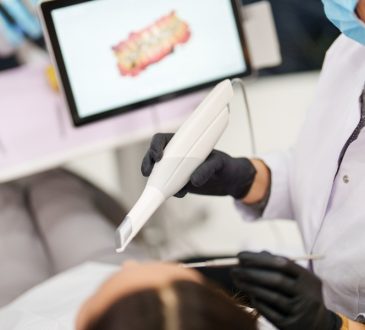
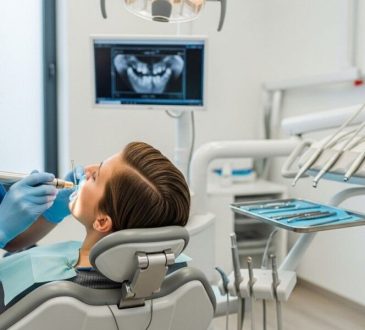
- In-Office Aligners: These treatments are managed from start to finish by a dentist or orthodontist. You receive a professional 3D scan, regular progress check-ups, and hands-on adjustments.
- Direct-to-Consumer (DTC) Aligners: These companies often allow you to take your own impressions at home and mail them back. While they are usually cheaper, they lack the physical examination necessary to detect underlying dental issues.
Materials and Comfort
The material used directly impacts how comfortably the tray sits against your gums and how effectively it moves your teeth.
Invisalign uses a patented material called SmartTrack, which is highly flexible and engineered to apply a constant, gentle force. Premium brands custom-trim the aligners to your specific gum line, which reduces the risk of irritation and makes the trays truly invisible.
Handling Complex Cases
The secret weapon of professional-grade aligners is the use of attachments. These are tiny, tooth-colored bumps bonded to your teeth that act as handles for the aligners to grip.
Invisalign’s technology allows these attachments to perform complex movements, such as rotating a canine or closing a large gap. If you have a significant bite issue, a professional-led system is almost always required.
Treatment Speed and Predictability
Predictability is a major factor in the total cost of your investment. Because Invisalign has a database of millions of successful cases, its ClinCheck software is incredibly accurate at predicting how your teeth will move.
With other brands, you may experience more refinements, extra sets of trays at the end of treatment, because the initial plan didn’t account for biological resistance.
Cost and Value Comparison
The price gap can be noticeable. While direct-to-consumer kits might start as low as ₹50,000 to ₹80,000, a comprehensive Invisalign treatment typically ranges from ₹1,50,000 to ₹3,50,000.
The higher price for professional aligners includes the cost of the doctor’s expertise, the high-tech 3D scans, and the safety net of having a local clinic to visit if you lose a tray or experience discomfort. For many, the peace of mind that comes with professional monitoring is worth the additional investment, especially when considering that improper tooth movement can lead to permanent bone loss or jaw joint issues.
Final Thoughts
Choosing between Invisalign and other aligners often comes down to the complexity of your case and your desire for professional supervision. However, for a total smile transformation that considers your long-term dental health and bite alignment, the technology and oversight provided by a professional-led system remain the gold standard.