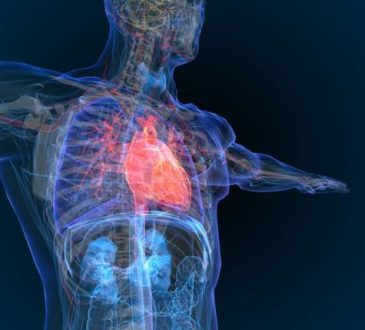


Overview of Mesothelioma Treatment
Mesothelioma treatment is complex and depends on many things. It’s not a one-size-fits-all situation. Doctors look at the type of mesothelioma, how far it has spread, and the patient’s general health. The main goals of treatment are often to control the cancer’s growth, relieve symptoms, and improve the patient’s quality of life. Sometimes, the aim is to cure the cancer, but this is less common with mesothelioma. Treatment plans are usually put together by a team of doctors.
Factors Influencing Treatment Decisions
Several factors play a big role when deciding on the best treatment path. These include:
- Stage of the Mesothelioma: Early-stage cancers might be treated differently than those that have spread.
- Histology: The specific cell type of the mesothelioma (epithelioid, sarcomatoid, or biphasic) can affect how it responds to treatment.
- Patient’s Overall Health: A person’s fitness level, age, and presence of other health issues are important considerations.
- Location of the Tumor: Whether the cancer is in the pleura (lining of the lungs), peritoneum (lining of the abdomen), or pericardium (lining of the heart) changes the approach.
- Patient Preferences: What the patient wants and expects from treatment is always taken into account.
The Role of Multidisciplinary Care
Dealing with mesothelioma often requires a team of specialists working together. This is called multidisciplinary care. It means doctors from different fields, like oncologists, surgeons, radiologists, pathologists, and palliative care specialists, collaborate. They share information and discuss the best options for each patient. This team approach helps make sure all aspects of the patient’s health are considered, from the cancer itself to their comfort and well-being. It’s about putting together a plan that addresses the disease and supports the person living with it.
Surgical Interventions for Mesothelioma
Surgery plays a significant role in the treatment of mesothelioma, particularly for patients with early-stage disease. The primary goal of surgical intervention is often to remove as much of the cancerous tumor as possible. The choice of surgical procedure depends heavily on the extent of the cancer’s spread and the patient’s overall health.
Extrapleural Pneumonectomy (EPP)
This is a major operation where the surgeon removes the entire affected lung, the lining around the lung (pleura), a portion of the diaphragm, and sometimes lymph nodes. It’s a complex procedure typically reserved for patients with mesothelioma confined to one side of the chest and without significant spread to other areas. Recovery can be lengthy and demanding.
Pleurectomy/Decortication
In this surgery, the surgeon removes the diseased pleura but leaves the lung intact. The goal is to remove all visible tumor from the surface of the lung, diaphragm, and chest wall. This procedure is often considered for patients who may not be candidates for EPP or when the cancer has spread more widely within the pleural space. It can help relieve symptoms like shortness of breath and chest pain.
Minimally Invasive Surgical Techniques
Advancements in surgical technology have led to the development of less invasive approaches. These techniques, such as video-assisted thoracic surgery (VATS), use smaller incisions and specialized instruments. While not suitable for all mesothelioma cases, they can offer benefits like reduced pain, shorter hospital stays, and quicker recovery times compared to traditional open surgery. The use of these methods is expanding as surgeons gain more experience.
Chemotherapy as a Mesothelioma Treatment Option
Chemotherapy plays a significant role in managing mesothelioma, often used to control cancer growth and alleviate symptoms. It involves using drugs to kill cancer cells or stop them from growing. The specific drugs and how they are given depend on several factors, including the type of mesothelioma, its stage, and the patient’s overall health. It’s a systemic treatment, meaning the drugs travel through the bloodstream to reach cancer cells throughout the body.
Systemic Chemotherapy Regimens
When chemotherapy is recommended, doctors typically use a combination of drugs. A common approach for mesothelioma involves a platinum-based drug, like cisplatin, paired with another agent such as pemetrexed. This combination, Alimta, often combined with cisplatin, is frequently the first line of treatment. These treatments are usually given in cycles, with rest periods in between to allow the body to recover. The drugs are typically administered intravenously, meaning through a vein, often in a hospital or clinic setting.
Targeted Chemotherapy Approaches
Beyond traditional chemotherapy, there are also more targeted approaches. These therapies focus on specific abnormalities within cancer cells that help them grow and survive. While not as common as standard chemotherapy for mesothelioma yet, research is ongoing to identify and utilize these more precise methods. The idea is to attack the cancer more directly while minimizing harm to healthy cells, potentially leading to fewer side effects.
Managing Chemotherapy Side Effects
Like most cancer treatments, chemotherapy can come with side effects. These can vary widely from person to person and depend on the drugs used. Common issues include:
- Nausea and vomiting
- Fatigue
- Hair loss
- Changes in appetite
- Lowered blood cell counts, which can increase the risk of infection
Doctors and nurses work closely with patients to manage these side effects. This might involve prescribing anti-nausea medications, suggesting dietary changes, or recommending rest. Open communication about any discomfort or changes is really important for making the treatment process as manageable as possible.
Radiation Therapy in Mesothelioma Management
External Beam Radiation Therapy
Radiation therapy uses high-energy rays to kill cancer cells or slow their growth. For mesothelioma, a common approach is External Beam Radiation Therapy (EBRT). This method directs radiation from a machine outside the body toward the affected area. The treatment is carefully planned to target the mesothelioma while minimizing damage to surrounding healthy tissues, which can be tricky given the location of the lungs and chest lining. Patients typically receive treatment over several weeks, with sessions usually lasting only a few minutes each day.
Intensity-Modulated Radiation Therapy (IMRT)
Intensity-Modulated Radiation Therapy (IMRT) is a more advanced form of EBRT. It uses computer-controlled machines to deliver radiation in a highly precise manner. The radiation beam’s intensity can be adjusted to match the shape of the tumor more closely. This allows doctors to deliver a higher dose of radiation to the tumor while sparing nearby healthy organs, such as the heart and spinal cord, more effectively. IMRT is often considered when trying to treat complex tumor shapes or when tumors are close to sensitive structures.
Palliative Radiation for Symptom Relief
Sometimes, radiation therapy isn’t aimed at curing the cancer but at making the patient feel better. This is known as palliative radiation. For mesothelioma, it can be very helpful in managing symptoms like pain caused by the tumor pressing on nerves or bones. It can also help with breathing difficulties if a tumor is blocking airways or causing fluid buildup. The goal here is to improve quality of life by reducing discomfort and other distressing symptoms. Treatment courses for palliative radiation are often shorter than those for curative intent.
Emerging and Advanced Mesothelioma Treatment Options
While traditional treatments like surgery, chemotherapy, and radiation remain mainstays, research continues to uncover new and more targeted ways to combat mesothelioma. These advanced approaches aim to improve outcomes and quality of life for patients.
Immunotherapy for Mesothelioma
Immunotherapy represents a significant shift in cancer treatment. It works by stimulating the patient’s own immune system to recognize and attack cancer cells. For mesothelioma, this often involves checkpoint inhibitors, drugs that release the brakes on immune cells, allowing them to fight the cancer more effectively. This approach has shown encouraging results in clinical trials.
Targeted Drug Therapies
Targeted therapies focus on specific molecules or pathways that are involved in cancer cell growth and survival. Unlike traditional chemotherapy, which affects all rapidly dividing cells, targeted drugs are designed to hit cancer cells more precisely, potentially leading to fewer side effects. Research is ongoing to identify and validate new targets for mesothelioma treatment. For instance, studies are exploring therapies that inhibit key signaling pathways that control cell growth and immune responses, showing promising early results in clinical trials.
Clinical Trials and Experimental Treatments
Clinical trials are vital for developing and testing these new treatments. They provide patients with access to cutting-edge therapies that are not yet widely available. Participating in a trial can offer hope and contribute to the advancement of mesothelioma care. These trials often investigate novel drug combinations, new surgical techniques, or innovative radiation delivery methods. Patients considering these options should discuss the potential benefits and risks thoroughly with their medical team.
Supportive Care and Palliative Mesothelioma Treatment
Pain Management Strategies
Dealing with mesothelioma often brings discomfort, and managing pain is a big part of making things better. Doctors have several ways to help with this. They might suggest medications, starting with over-the-counter options and moving to stronger prescriptions if needed. Sometimes, nerve blocks or other procedures can be used to target specific areas of pain. The goal is to find what works best for each person so they can feel more comfortable day-to-day. It’s really about improving your quality of life while you’re going through treatment.
Managing Respiratory Symptoms
Breathing can become difficult with mesothelioma, and addressing these issues is key. Treatments might include medications to ease shortness of breath or reduce fluid buildup around the lungs. Oxygen therapy can also be a great help for many patients. Sometimes, simple techniques like breathing exercises or positioning can make a difference. Open communication with your healthcare team about any breathing changes is important so they can adjust your care plan. Getting help with breathing problems can make a big difference in how you feel.
Nutritional Support and Well-being
Staying nourished is a challenge for many with mesothelioma, but it’s vital for maintaining strength. Doctors and dietitians can help create eating plans that are easier to manage and provide the nutrients needed. This might involve smaller, more frequent meals or specific food recommendations. Sometimes, nutritional supplements are suggested. Focusing on well-being also includes emotional and mental support, which is a big part of palliative care. Finding ways to cope and maintain a sense of normalcy can significantly impact a patient’s overall experience with the disease.