


Eczema remains a persistent skin condition that affects people of all ages. Many overlook how everyday foods can worsen symptoms. Identifying common irritants and adopting dietary practices guided by good TCM for eczema may help reduce flare-ups. Understanding these triggers and making mindful choices can make a notable difference in managing eczema effectively.
Common Foods That Trigger Eczema Flare-Ups
Certain foods can increase inflammation or cause allergic responses in sensitive individuals. Pinpointing these triggers helps reduce itching, redness, and dryness associated with eczema.
Dairy products such as milk, cheese, and butter often top the list of problem foods. Their protein content, particularly casein, can trigger an immune system response in individuals prone to eczema. Eliminating or reducing dairy may lessen flare frequency and severity.
Eggs can also be problematic, especially the whites, which contain enzymes and proteins known to cause allergic reactions. Many people experience flare-ups after consuming eggs regularly.
Soy products like tofu, soy milk, and soy sauce appear in many diets but can also act as food that triggers eczema. Soy contains compounds that can prompt inflammation in sensitive skin.
Processed foods—such as crisps, instant noodles, and fast food—contain additives, preservatives, and trans fats that worsen inflammation. Choosing fresh alternatives supports healthier skin.
Sugary snacks and drinks aggravate eczema by promoting inflammation. Excess sugar increases insulin levels, leading to skin irritation and itchiness. Reducing sweetened beverages and desserts helps stabilise skin health.
Learning TCM’s Approach to Eczema
Traditional Chinese Medicine views eczema as an imbalance within the body, particularly involving heat, dampness, and blood flow. Rather than treating symptoms alone, TCM focuses on restoring internal balance to promote long-term relief.
Practitioners of good TCM for eczema believe that eczema develops when excess heat and dampness stagnate under the skin. This blockage manifests as redness, swelling, and itchiness. TCM treatments aim to clear heat, remove toxins, and nourish the body’s fluids to calm irritation.
Herbal remedies play a vital role. Chinese medicine for eczema uses specific herbs such as Huang Qin (Scutellaria root) and Ku Shen (Sophora root) to cool the blood and reduce inflammation. These herbs cleanse the body internally, addressing eczema’s root cause.
Acupuncture and cupping therapies may accompany herbal prescriptions to enhance circulation and support detoxification. Together, these methods promote better immune responses and stronger skin resilience.
TCM-Recommended Food Alternatives
Diet forms a key part of TCM’s eczema management plan. Replacing eczema-triggering foods with gentle, nourishing options supports recovery.
Instead of dairy, consider plant-based alternatives such as oat milk or rice milk. These substitutes provide hydration without causing inflammation. Avoiding cold or raw beverages also helps, as TCM suggests warm drinks aid digestion and circulation.
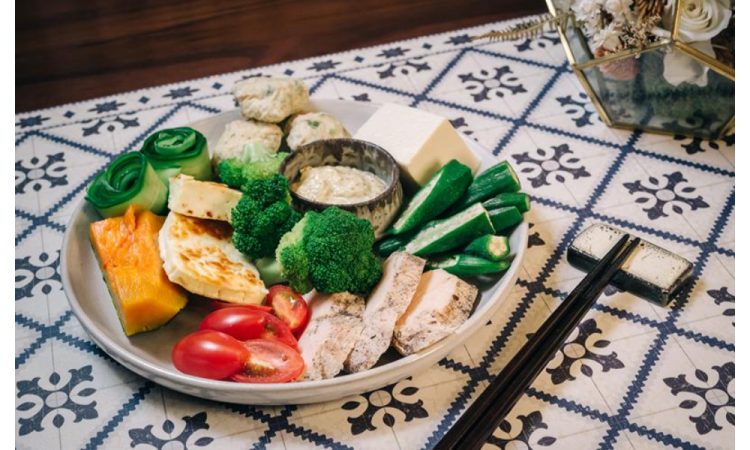
Replace processed and fried foods with steamed vegetables and lean proteins. Broccoli, bok choy, and Chinese cabbage provide vitamins and minerals while promoting detoxification.
Opt for whole grains like brown rice and millet, which strengthen the spleen and reduce internal dampness. These grains digest easily and maintain energy balance.
Incorporating omega-3-rich foods such as flaxseed, walnuts, and salmon supports skin repair. TCM practitioners often recommend these for their cooling and anti-inflammatory properties.
Fruit choices matter, too. Go for low-sugar, hydrating options such as pears and apples instead of tropical fruits like mango or pineapple, which may generate excess heat internally.
Following a TCM-guided diet fosters gradual but steady improvement, especially when combined with proper herbal therapy and lifestyle adjustments.
Lifestyle Practices That Complement TCM Eczema Care
Diet alone cannot manage eczema entirely. Complementary practices aligned with TCM principles enhance treatment effectiveness.
Keeping stress under control prevents internal heat accumulation, a common cause of flare-ups. Techniques such as meditation and slow breathing improve energy flow and emotional balance.
Regular moderate exercise improves circulation and assists in toxin removal. However, excessive sweating can worsen itching, so cooling down properly is essential.
Hydration remains critical. Drinking warm water throughout the day maintains the body’s fluid balance and prevents dryness.
Consistent sleep helps the skin repair naturally. TCM recognises nighttime as the body’s prime healing period, so maintaining good sleep habits plays a direct role in managing eczema.
Achieving Balance with Chinese Medicine for Eczema
Adopting Chinese medicine for eczema goes beyond temporary relief. It involves nurturing a balance between the body’s organs, lifestyle, and environment. This holistic care aims for long-term results without relying solely on topical solutions.
Through dietary adjustments and herbal treatments, eczema sufferers can find sustainable relief. Identifying foods that trigger eczema and embracing TCM alternatives mark the first step toward healthier, calmer skin. Regular consultation with a TCM practitioner ensures a personalised approach suitable for each individual’s body constitution.
Discover how Traditional Chinese Medicine supports lasting eczema relief. Visit Tangs Clinical TCM for professional guidance and effective Chinese medicine for eczema in Singapore today.





 alternatives that help manage the condition naturally. Learn more.)